
Finding God in suffering: Lessons from a journey from atheism to faith


Why does an all-loving and all-powerful God allow suffering? It’s a question that confronts people of all faiths and none. But Noah’s response to it made our whole podcast team sit up and take notice. Listen to his conversation with Julia on Things I Wish I Knew and your own perspective might change, too…
Many stories of conversion begin with a search for meaning. Others begin with a question that refuses to go away. For Noah Lawson, a guest on the Things I Wish I Knew podcast, the journey from atheism to Christianity was shaped by both. It was not the result of a dramatic revelation or a single persuasive argument, but of conversations, friendships and an encounter with the Christian understanding of suffering that gradually changed the way he saw the world.
Noah grew up in a home where faith was largely absent. Christianity belonged to the background of British culture rather than to everyday life. He attended a Church of England primary school, where Bible stories and assemblies formed part of the curriculum, but they felt like lessons to be learned rather than truths to be lived. Faith seemed distant, more historical than personal.
Like many people, Noah assumed that atheism was simply the default position. It was only when he arrived at university that this assumption began to be challenged. There he met Christians whose faith was thoughtful, sincere and woven naturally into their lives. Rather than presenting a polished argument, they offered friendship and were willing to engage honestly with difficult questions.
One friendship proved particularly significant. A fellow student spoke openly about his belief in Jesus, not as an abstract idea but as someone who had been transformed. Their conversations continued over many months. Noah found himself examining not only the claims of Christianity but also the assumptions behind his own worldview. He began to realise that disbelief, like belief, rests on foundations that deserve careful scrutiny.
This gradual process reflects an experience that many converts describe. Faith is often less about winning an argument than about discovering a different way of seeing reality. Intellectual questions matter, but they are rarely separated from personal experience, relationships and the deeper questions of what it means to live well.
The decisive moment came not through apologetics but through a sermon at church. The subject was suffering.
Suffering has always been one of the greatest challenges to Christian faith. If God is loving and all-powerful, why does suffering exist? For many people, it is the question that makes belief seem impossible. Yet Christianity does not avoid it. Instead, it places suffering at the very centre of its story.
For Noah, this mattered deeply because suffering was not an abstract philosophical problem. It was something he knew personally through difficult family circumstances. Listening to the sermon, he encountered an understanding of God that he had never seriously considered before. Rather than remaining distant from human pain, God enters into it. In Jesus Christ, suffering is not ignored or explained away. It is shared.
The Christian response to suffering does not provide easy answers. It does not suggest that pain is somehow good or that every tragedy has an obvious purpose. Instead, it points to the God who suffers with humanity and whose resurrection offers hope that suffering will not have the final word.
This insight marked a turning point. Noah realised that while human beings often feel powerless in the face of suffering, Christianity proclaims a God who not only cares but also has the power to redeem what appears beyond redemption. That did not remove life's difficulties, but it transformed how he understood them.
Another striking theme from Noah's reflections is the relationship between the mind, body and spirit. During periods of suffering, it is easy to focus on surviving each day, yet Christian tradition has long recognised that we are integrated beings. Prayer matters, but so do rest, friendship, beauty and the practices that sustain us as embodied beings.
For Noah, creativity became one of those practices. Time spent in nature and music became ways of encountering God when words felt inadequate. These experiences did not replace prayer but deepened it, reminding him that God's presence can be discovered not only in silence and Scripture but also in the beauty of creation and the gifts of human creativity.
There is something profoundly Christian in this insight. The opening chapters of Genesis present humanity as made in the image of a creator. Creativity, whether through art, music, writing or countless other forms, reflects something of that image. It can become a way of participating in God's work of bringing beauty, meaning and hope into the world.
Perhaps the most challenging aspect of Noah's story is his understanding of prayer during times of suffering. Faced with pain, the temptation is often to demand explanations. Why has this happened? Why now? Why me?
The Psalms suggest a different approach. They give voice to grief, anger, confusion and lament while continuing to direct those emotions towards God. Noah describes learning to cry out honestly in prayer, not pretending that suffering makes sense, but refusing to let suffering have the final word. In bringing pain before God and remembering God's faithfulness, he discovered hope that did not depend on circumstances changing immediately.
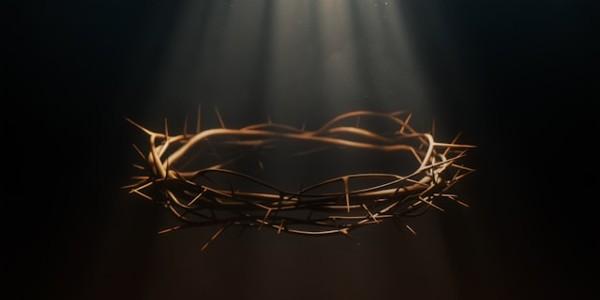
Such hope is not optimism. It is the conviction that God remains present even when answers are absent. For many Christians, this is one of the deepest lessons of faith. The cross reveals that God is not distant from human suffering, and the resurrection proclaims that suffering and death are not the end of the story.
Noah's journey reminds us that conversion is often less about certainty than about trust. It is a willingness to follow where the evidence, experience and encounter with Christ seem to lead. Along the way, friendships matter, honest questions matter, and the witness of Christians who live their faith with integrity matters.
Above all, his story offers a reminder that the Christian faith does not promise freedom from suffering. It offers something different: the presence of God within it, and the hope that even the darkest experiences can become places where grace is found.
Listen to ‘Things I Wish I Knew About Finding God in Suffering’ and to get all of our new episodes and catch up on our back catalogue, subscribe now >>
You can follow us on Instagram: @tiwik_pod.